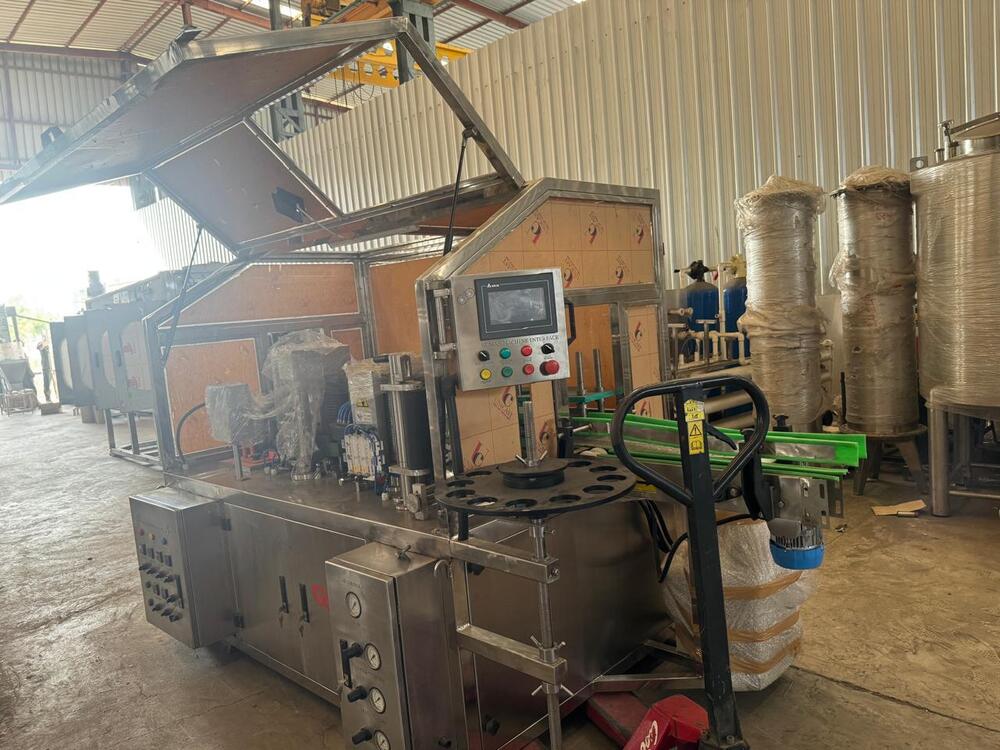
Soft Drink Plant is a facility designed to produce, bottle (or can), package, and distribute beveragestypically non-alcoholic and often carbonatedon a commercial scale. The plant integrates several interconnected stages involving raw material processing, flavor production, carbonation, filling, quality control, packaging and logistics.
Raw Material Treatment
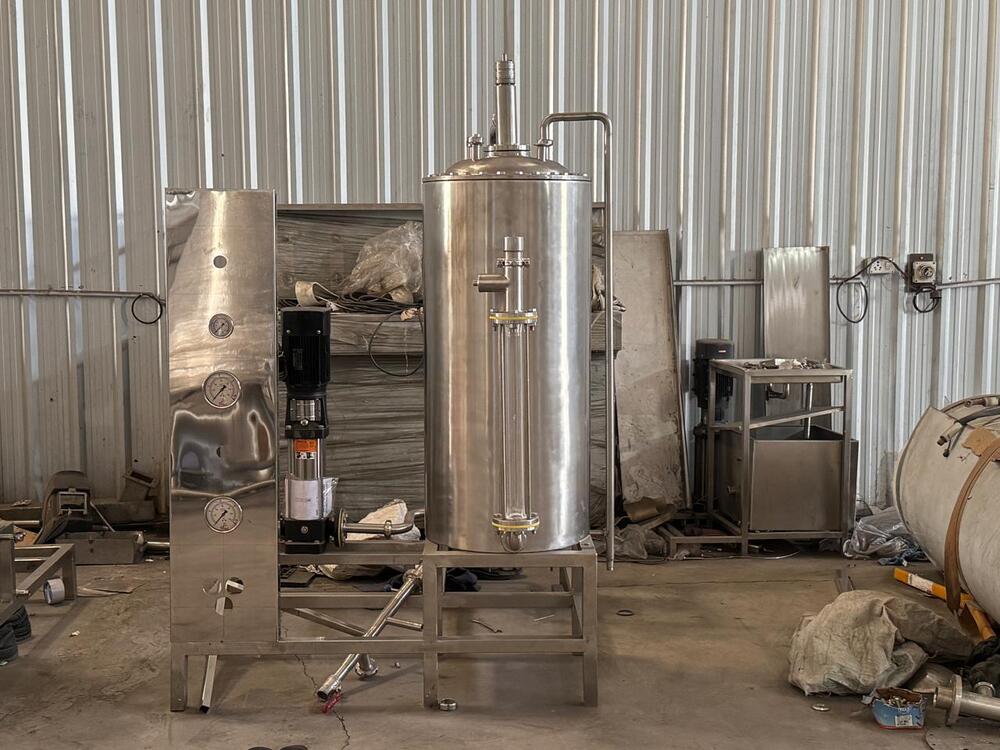
Water Treatment: Purification (filtration, reverse osmosis, UV or chemical disinfection) to ensure water meets purity standards.
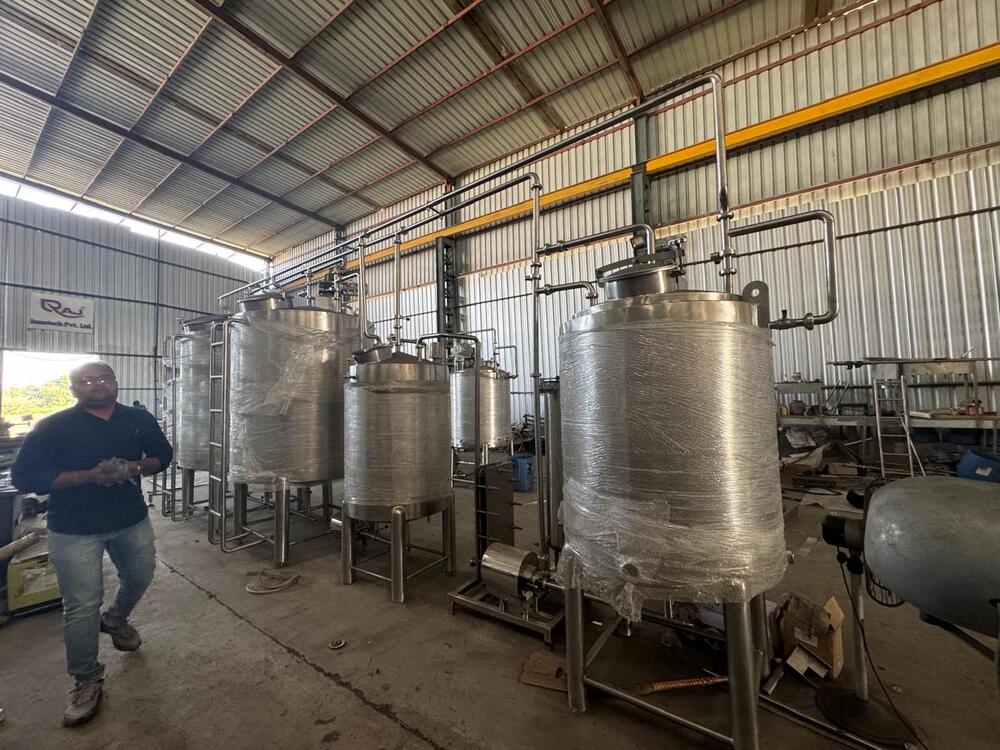
Syrup/Flavor Preparation: The flavor concentrates, sweeteners, colors, preservatives etc., are prepared and blended as per product formulations.
Carbonation / Mixing
Carbon dioxide (CO) is infused into treated water in controlled conditions to get desired effervescence (for carbonated soft drinks).
Mixing systems ensure uniform blending of water, syrup, flavors, and carbon dioxide.
Filling, Capping, Sealing
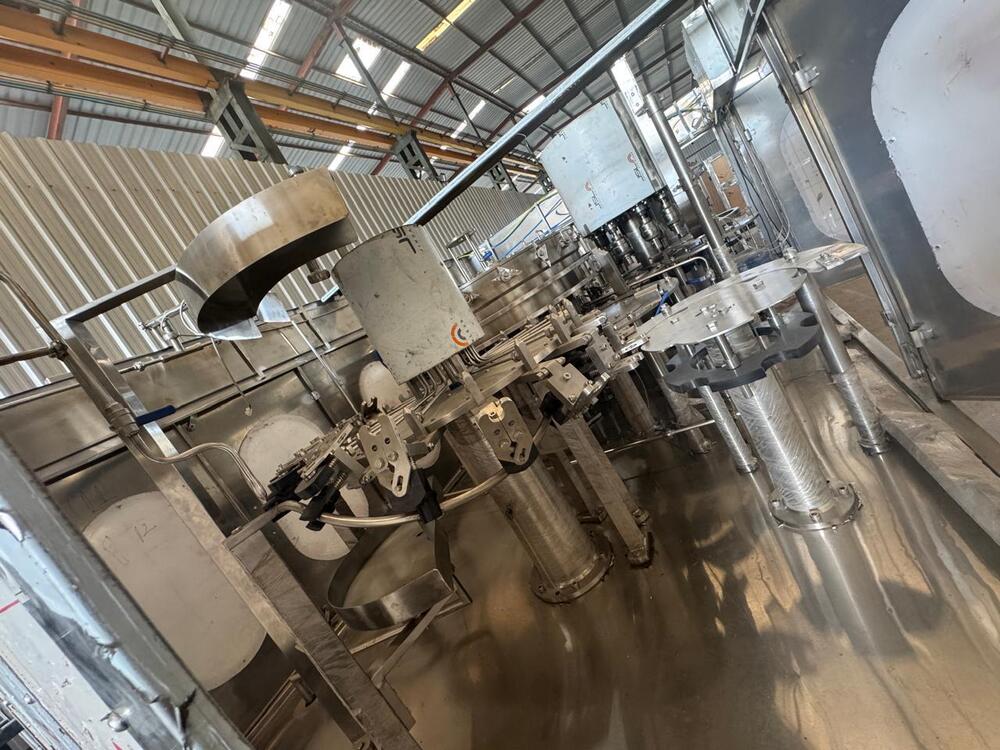
Bottles/cans are rinsed/sanitized, filled, and sealed under hygienic & automated conditions.
Equipment includes filling machines, capping or sealing units, often with automation to reduce contamination risk.
Packaging
After sealing, packaging (labeling, shrink wrapping, corrugated cartons etc.) is done to make the product ready for transport.
Emphasis on branding, protection (against light, air), and ensuring shelf stability.
Quality Control & Safety
QC at all stages: water quality, syrup mix accuracy, carbonation level, fill volume, microbiological safety, packaging integrity.
Use of sensors, PLC controls, CIP (Clean In Place) systems, automated monitoring of key parameters (temperature, pressure etc.).
Automation & Utilities
Many modern soft drink plants are fully or partially automated (PLC/SCADA systems) to improve efficiency, consistency, and reduce labor.
Utilities: electricity, boiler/steam, refrigeration/chillers, compressed air, CO supply, waste water treatment.
Logistics & Distribution
Finished products are warehoused, palletized, then dispatched via trucks (or via distributors) to covering wholesalers, retailers, vending points etc.
Cold chain may be required depending on type of drink and local climate.
High Throughput: Designed to produce large volumes (e.g. tens to hundreds of bottles per minute) to meet commercial demand.
Consistency & Quality: Automation and strict QC ensure each batch matches flavor, carbonation, appearance, and safety norms.
Hygiene & Safety: Use of food-grade stainless steel, sanitization/CIP, sealed environments to prevent contamination.
Cost Efficiency: Better material utilization (less wastage), energy efficiency, reduced labor through automation.
Scalability & Flexibility: Ability to change bottle sizes, flavors, or packaging formats with modular equipment.
Regulatory Compliance: Adherence to food safety regulations (FSSAI in India, or equivalent), environmental rules (waste water, CO emissions etc.).


Price: Â